
Introduction
If you are using or considering a continuous liner system, you may think that a special frame is required.
But in reality, you can build a simple and effective frame yourself—using low-cost, widely available materials.
In this guide, we’ll show you:
👉 How to build a DIY frame for continuous liner systems step by step
This solution works for:
common continuous liner systems
Jenton continuous liner systems
Why Build Your Own Frame?
Before we start, here’s why many users choose a DIY approach:
Lower cost compared to metal frames
Easy to customize
Quick setup
No dependency on specific suppliers
Flexible for different environments
Materials You Will Need
You can find these materials in most hardware stores:
PVC pipes (recommended diameter: 20–32mm)
PVC connectors (T-joints, elbows)
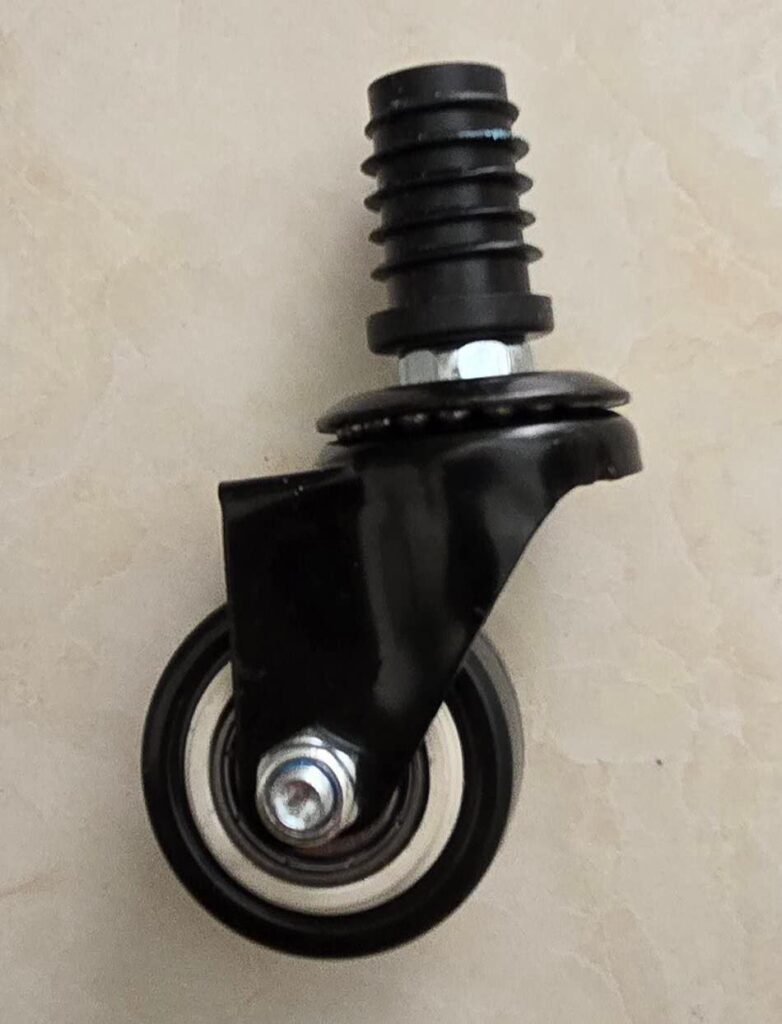
4 caster wheels (optional but recommended)
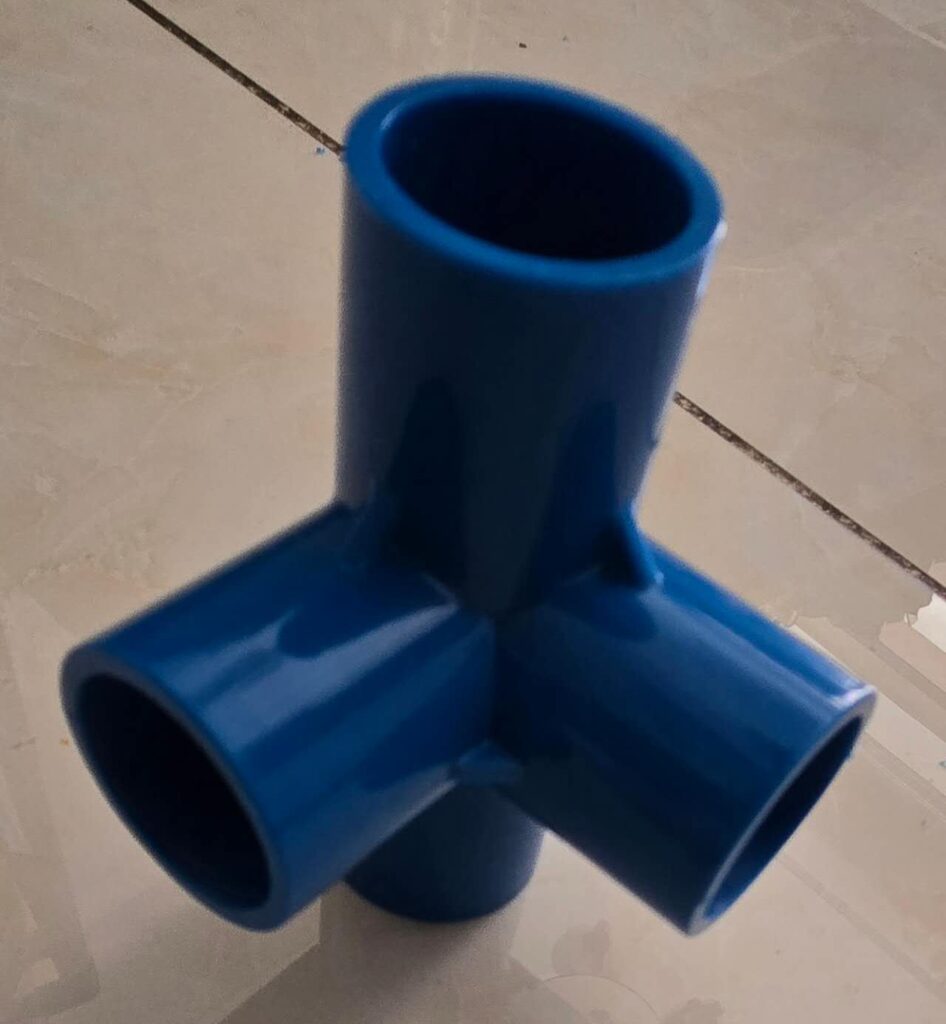
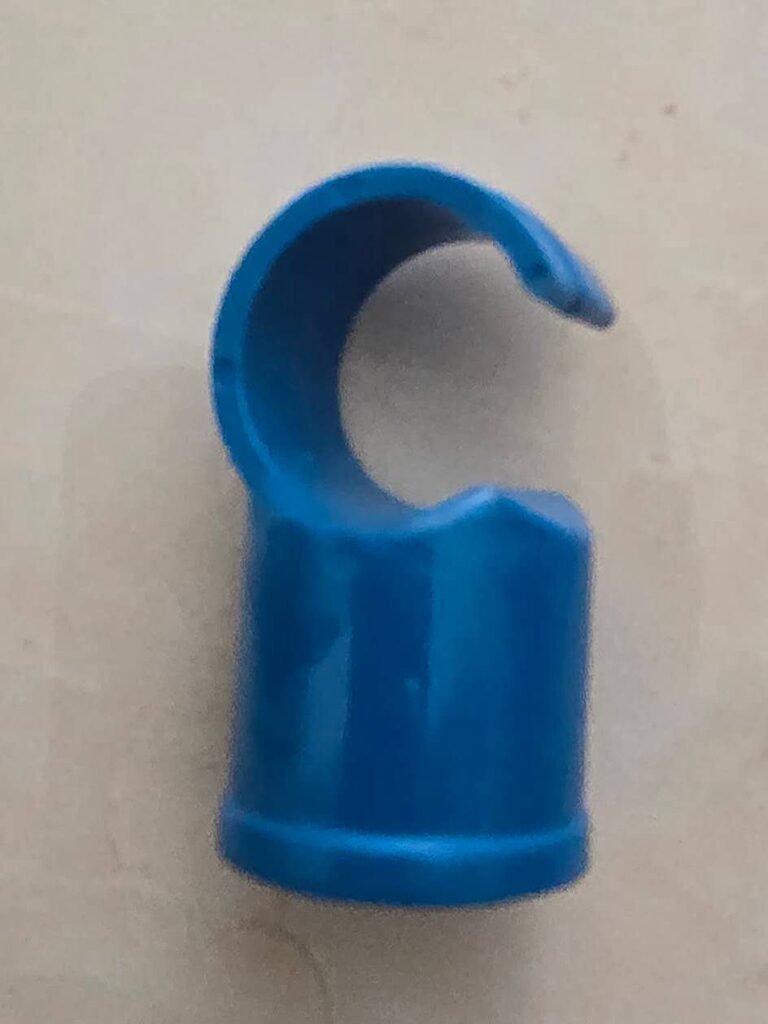
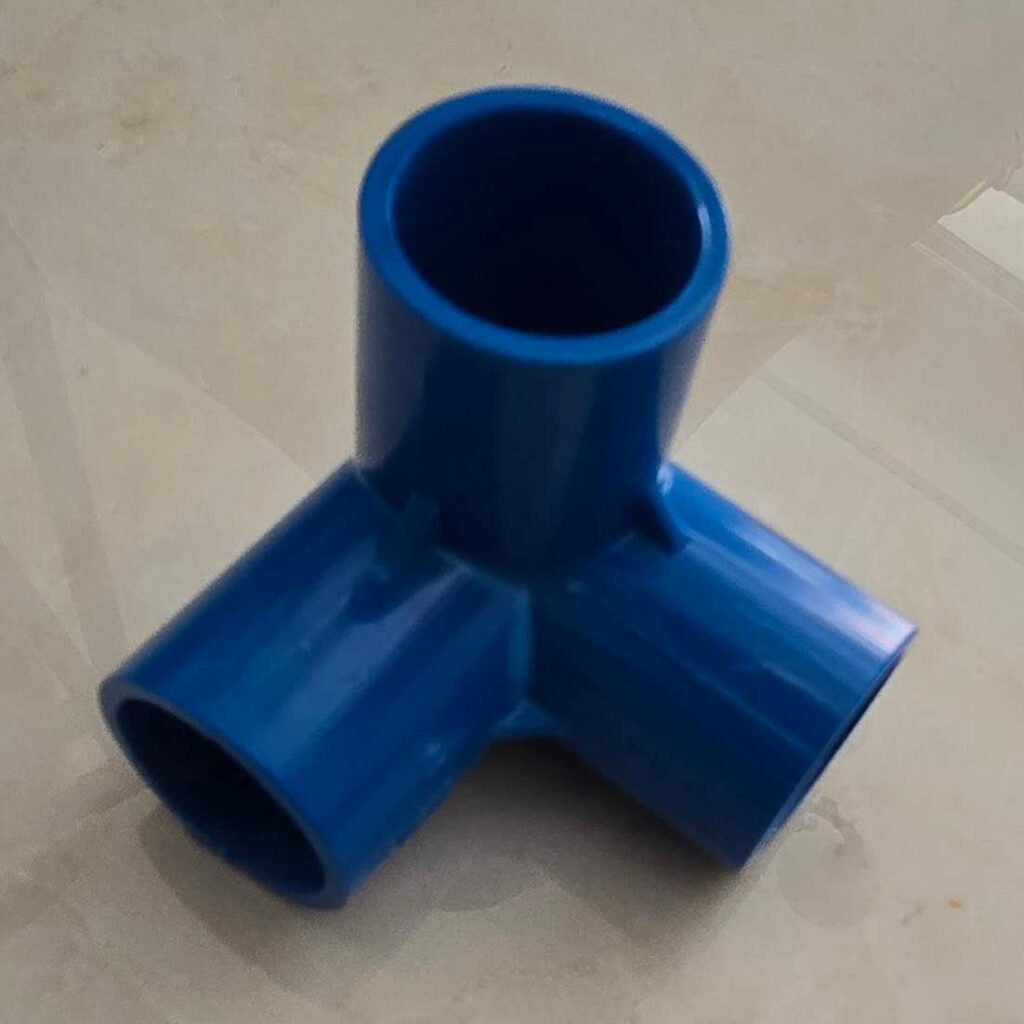
Basic Frame Structure
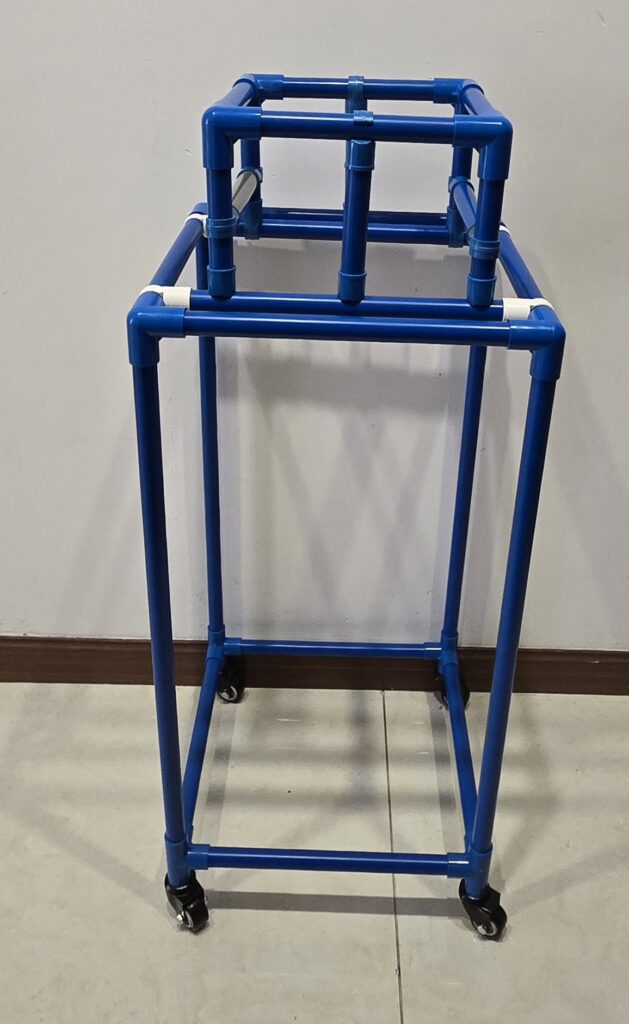
The frame consists of three parts:
- Top frame – holds the liner opening
- Vertical supports – provide height
- Base frame with wheels – ensures stability and mobility
👉 The structure is simple, lightweight, and modular.
Step-by-Step Instructions
Step 1: Build the Base
Connect PVC pipes into a rectangular base
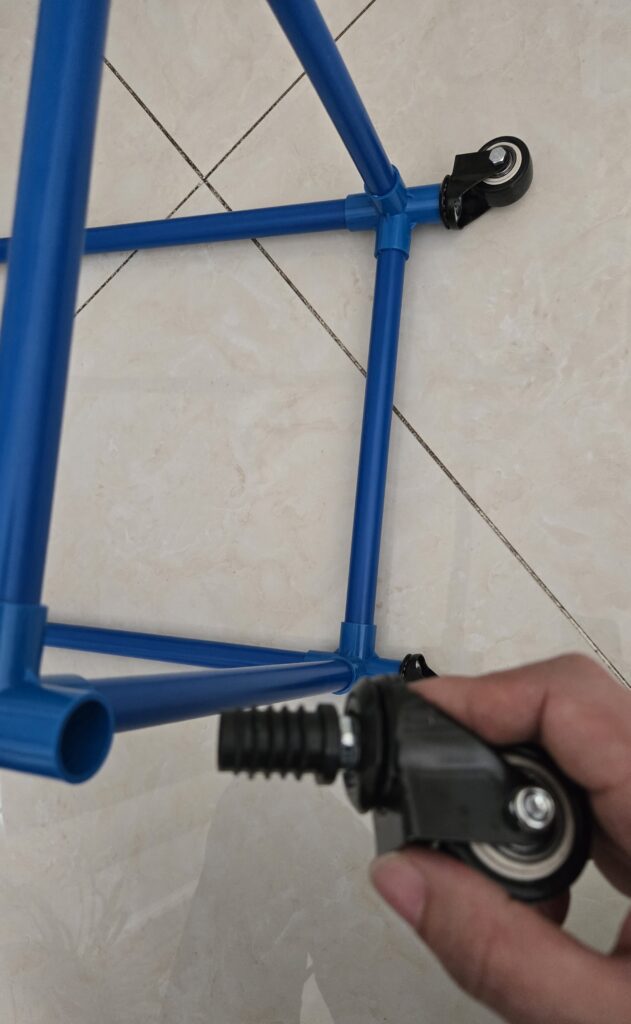
Attach caster wheels to each corner
👉 This provides mobility and stability
Step 2: Install Vertical Supports
Attach 4 vertical pipes to the base corners
Recommended height: 80–120 cm (adjustable)
Step 3: Assemble the Top Frame
Build a square or rectangular top frame
Ensure it matches the liner opening size
👉 This is where the continuous liner will be mounted
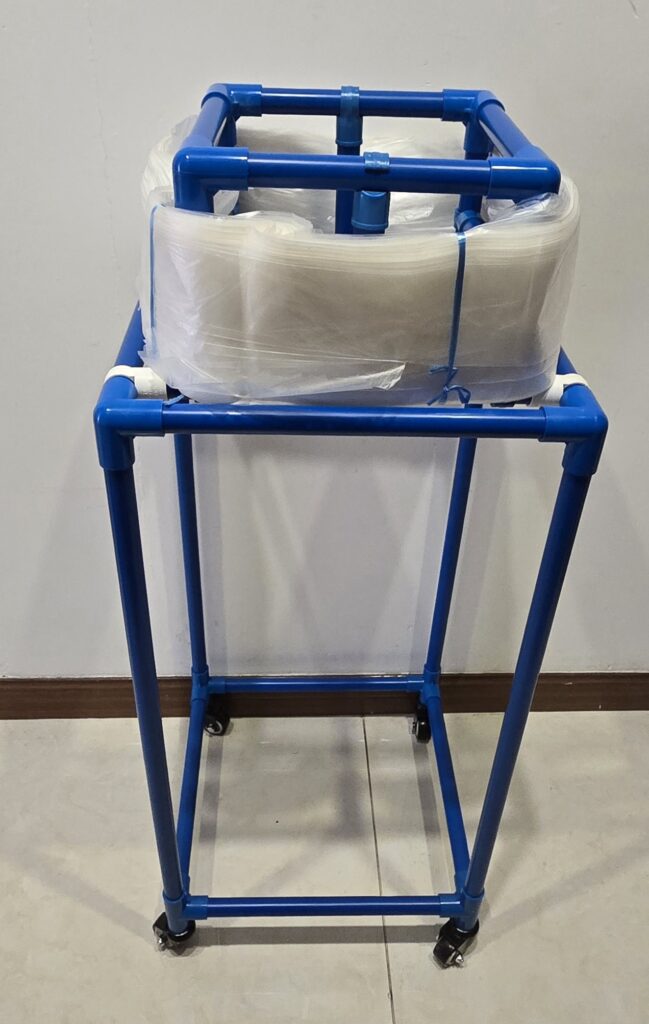
Step 4: Install the Liner
Place the liner over the top frame
Secure it using clamps or ties
Step 5: Test the System
Pull down the liner
Simulate filling and sealing
👉 Make sure the structure is stable and easy to use
Pro Tips for Better Performance
Use thicker PVC for heavier applications
Add crossbars for extra stability
Install brakes on wheels for safety
Adjust height based on operator comfort
Compatible Systems
This DIY frame works with:
common continuous liner systems
Jenton continuous liner systems
👉 Giving you flexibility in choosing suppliers
Real-World Use Cases
This setup is widely applicable in:
Industrial production lines
Warehouses
Hospitals
Laboratories
Food processing areas
Why This DIY Solution Matters
Compared to traditional setups, this approach offers:
Lower investment
Faster deployment
Greater flexibility
Reduced dependency on proprietary systems
👉 It’s a smarter way to implement continuous liner solutions.
Original Concept Statement
At Jenton, we focus on simplifying practical applications.
The DIY frame concept shown here is based on our real-world experience. We encourage innovation within the industry and respect for original application ideas.
Conclusion
You don’t need a complex or expensive system to use a continuous liner.
👉 With simple materials and a practical design,
you can build a fully functional solution yourself.
Call to Action
👉 Want a more efficient continuous liner solution?
Contact Jenton for:
Free samples
Product recommendations
Application support