
Introduction
Choosing the right waste bagging system is critical for maintaining hygiene, improving operational efficiency, and reducing long-term costs. Whether you manage a hospital, factory, or commercial facility, the wrong system can lead to contamination risks and unnecessary expenses.
This guide will help you understand how to select the best solution for your needs.
1. Understand Your Waste Type
Different environments generate different waste types:
- Medical waste (hospitals, clinics)
- Industrial waste (factories, workshops)
- General waste (offices, public spaces)
A continuous liner system is especially effective in environments where waste is generated continuously and requires hygienic handling.
2. Evaluate Hygiene Requirements
In industries like healthcare and food processing, hygiene is critical.
Traditional trash bags:
- Require frequent handling
- Increase contamination risk
Continuous liner systems:
- Reduce human contact
- Enable sealed bagging
- Improve infection control
3. Consider Efficiency and Workflow
Ask yourself:
- How often are bags replaced?
- How much downtime occurs during replacement?
Continuous liner systems:
- Allow quick bag changes
- Reduce labor time
- Improve workflow efficiency
4. Cost Analysis
Although traditional bags may seem cheaper initially, long-term costs include:
- Labor
- Storage
- Waste material
Continuous liner systems:
- Reduce plastic waste
- Lower operational costs
- Improve overall ROI
5. Space and Mobility
Choose a system that fits your workspace:
- Compact design
- Easy mobility
- Stable structure
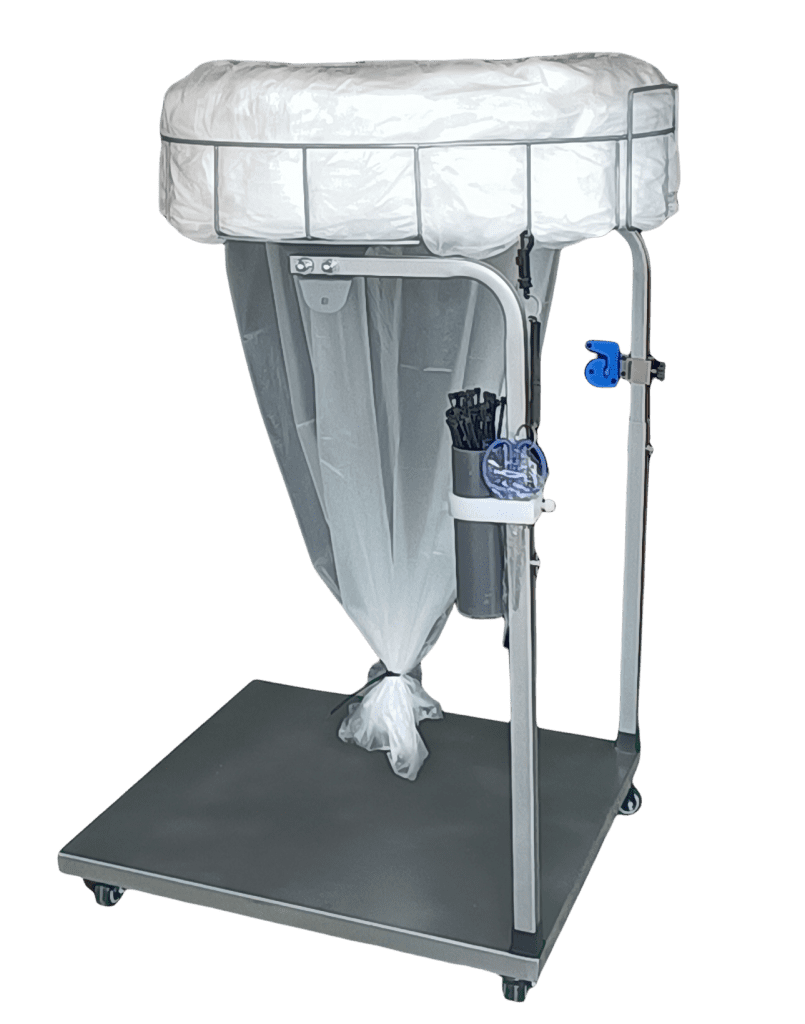
A well-designed bagging stand ensures safe and convenient operation.
Conclusion
Selecting the right waste bagging system is not just about cost—it's about efficiency, hygiene, and long-term performance. A continuous liner system offers a modern, reliable solution for various industries.